
SocialFull-stack
Crush — read the case study
Live-map dating app built around who is actually nearby, right now
- Next.js
- React
- TypeScript
- +3
Case study
Available for new projects
Devplex is a full-stack engineering studio building production software that moves real money — with one engineer accountable for every layer of it.
Selected work
Every project here went to production and served real users. These are six of them — open any case study for the build detail.
Live-map dating app built around who is actually nearby, right now
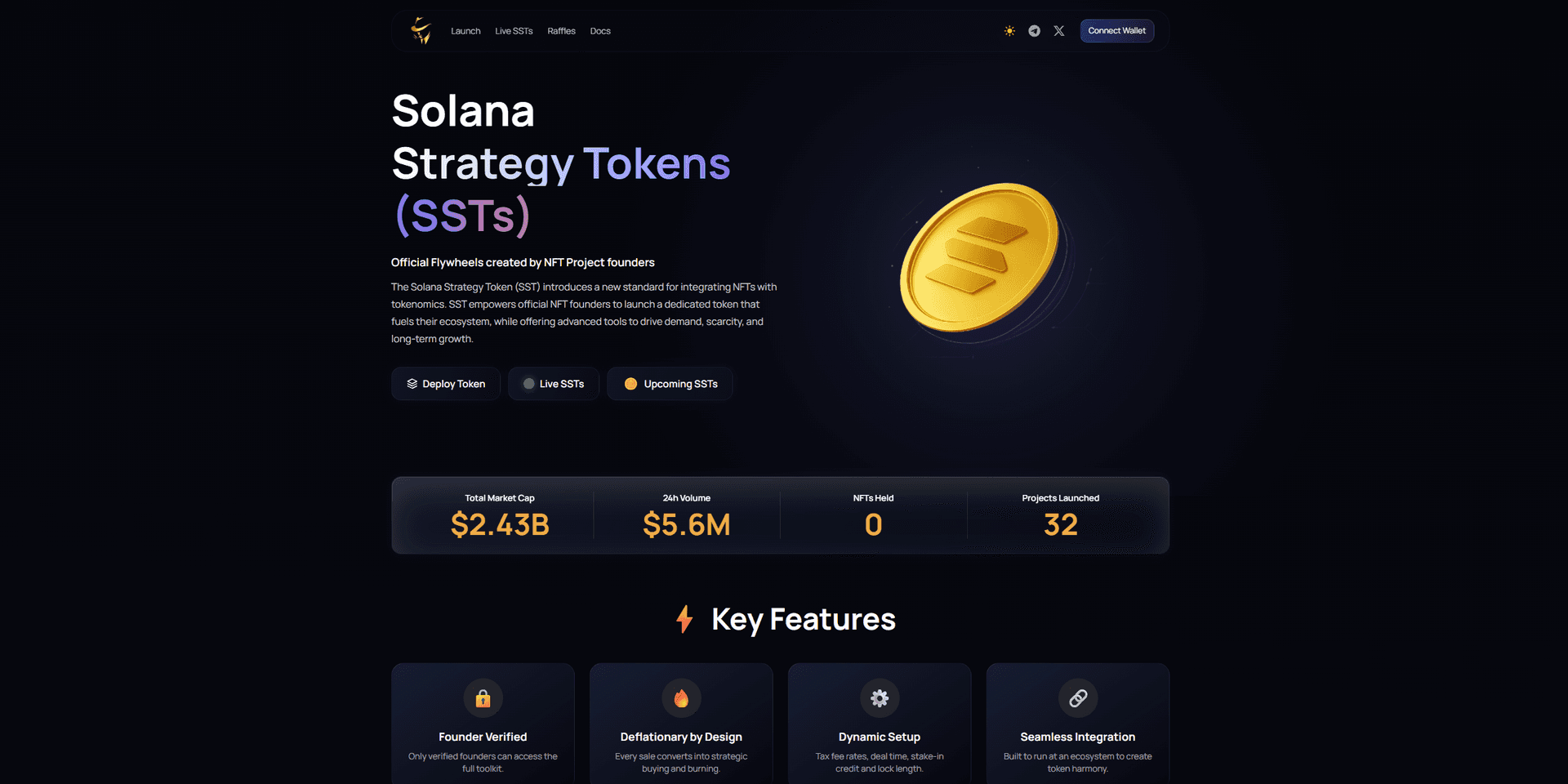
Token launchpad whose smart contract funds its own market mechanics
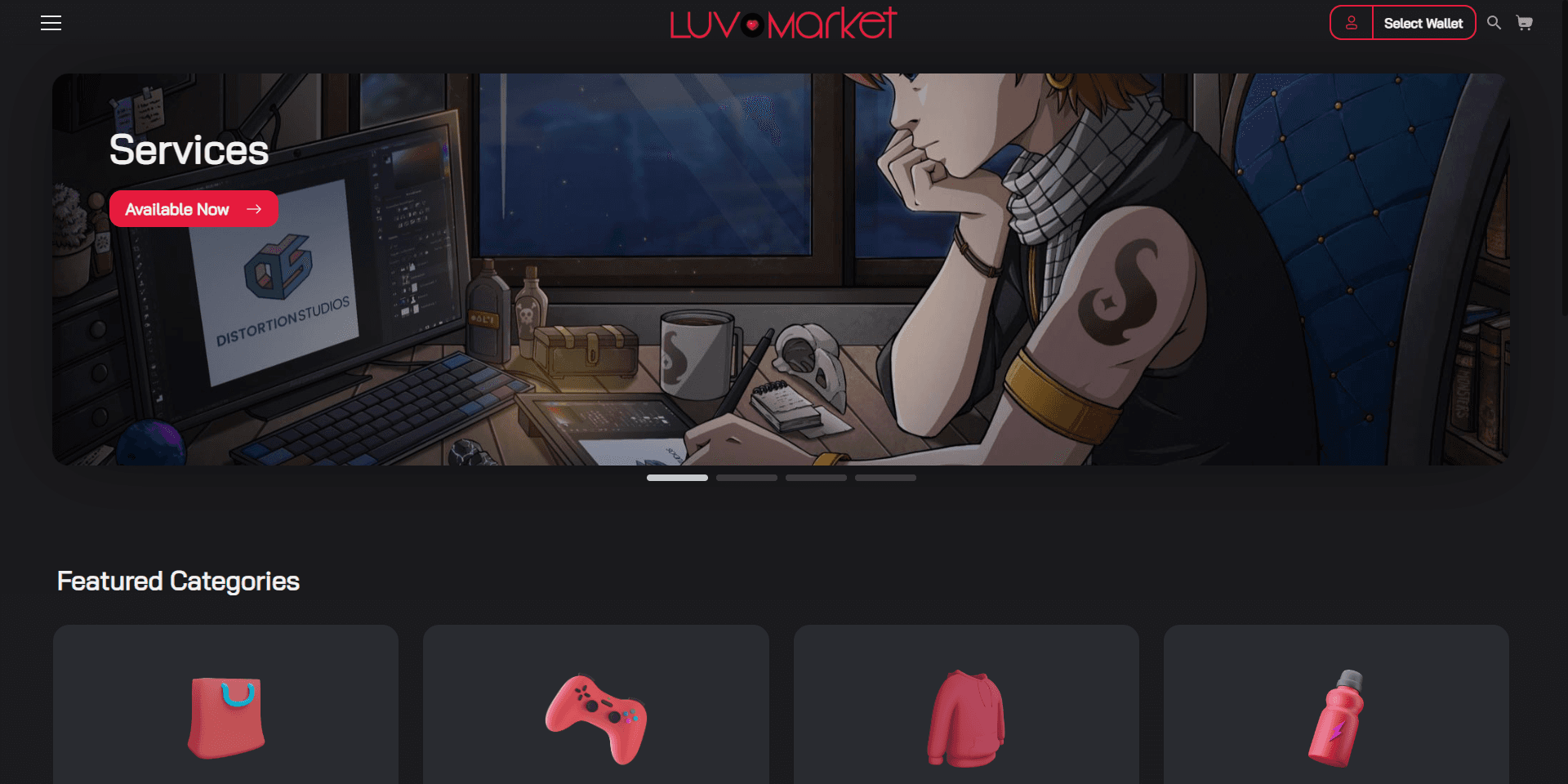
Crypto-native storefront for physical goods, services, and NFTs
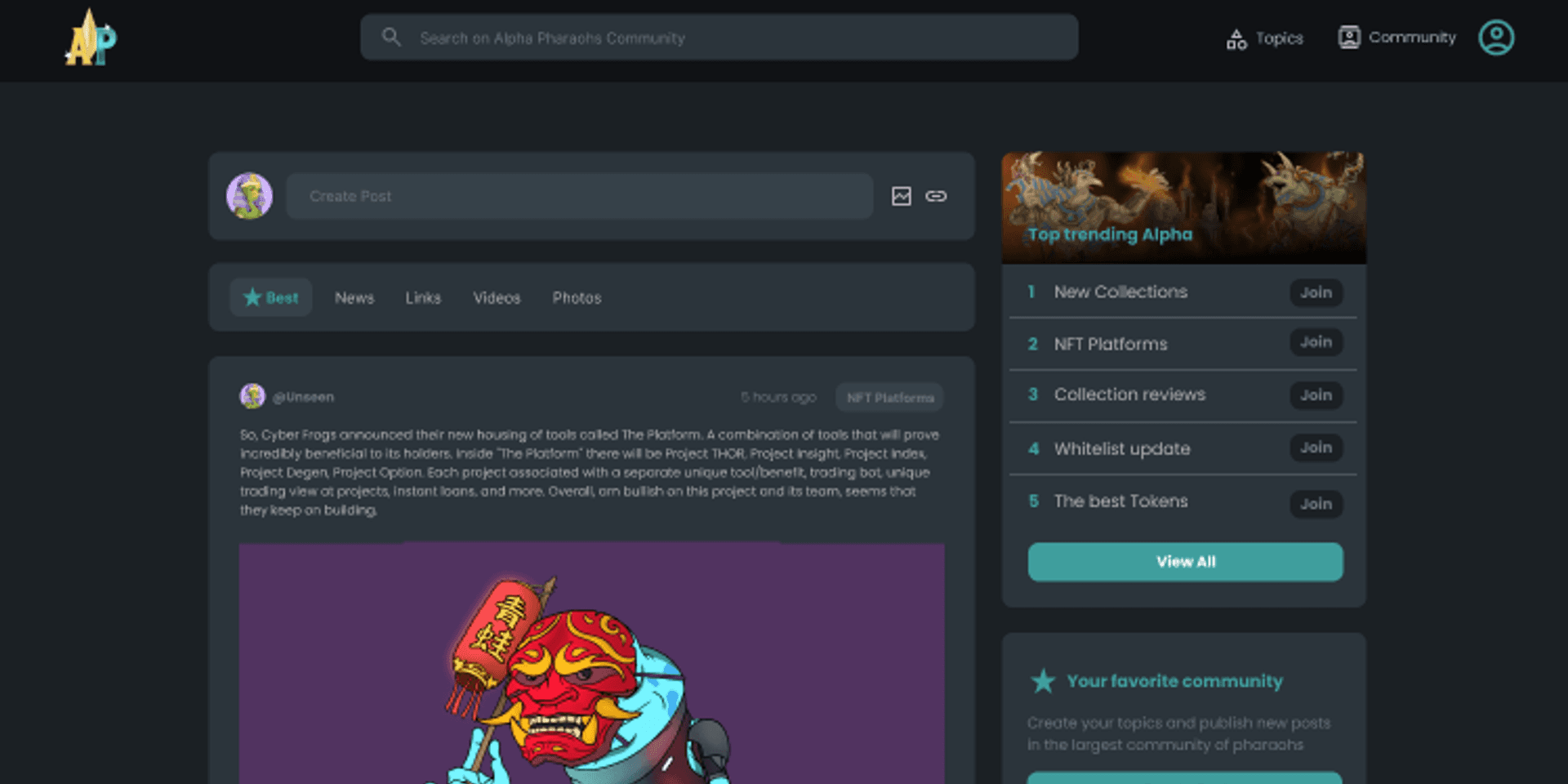
Community-first social network with wallet-backed identity
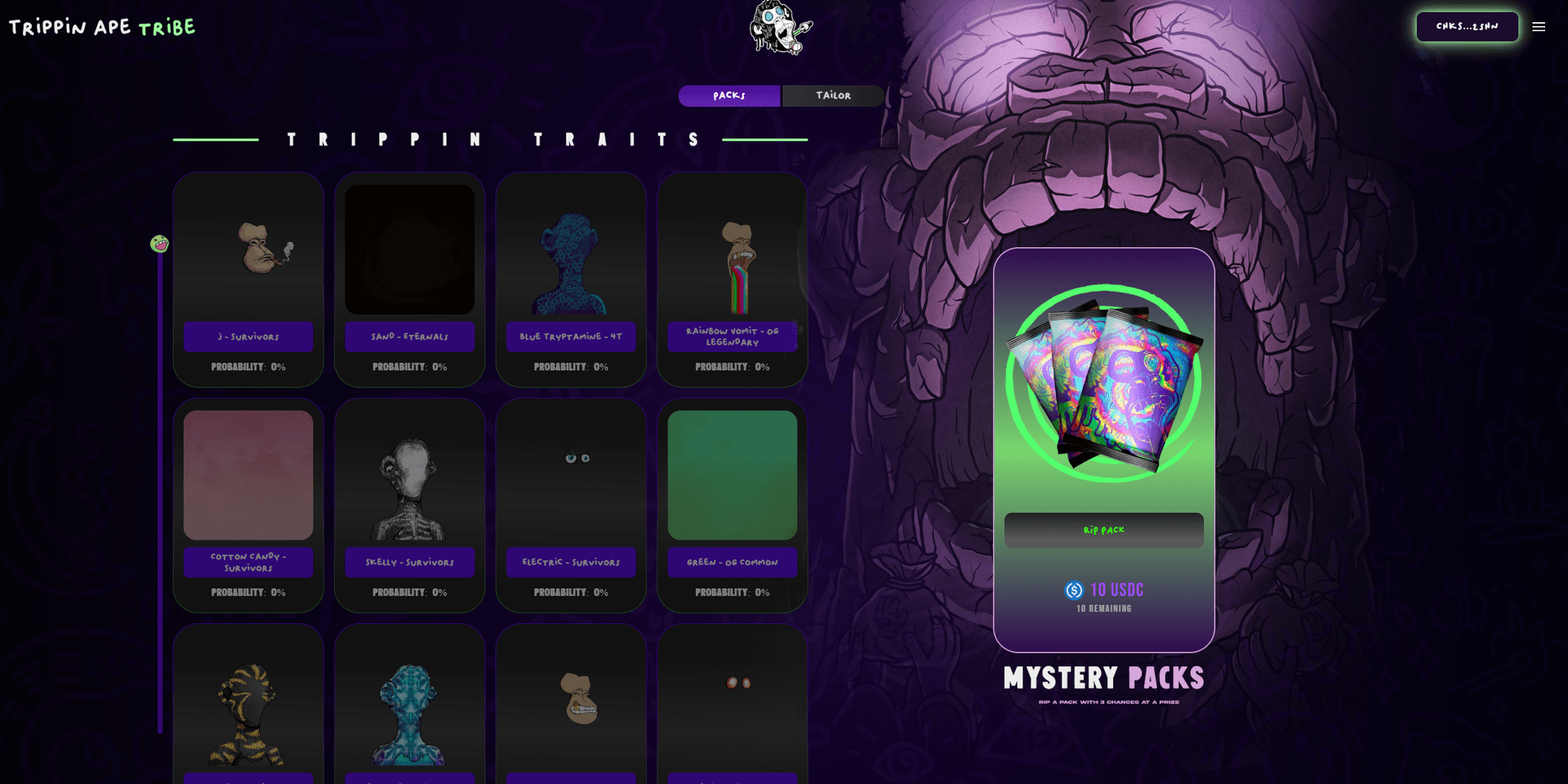
Three-prize pack opening that settles NFTs, tokens, and physical goods
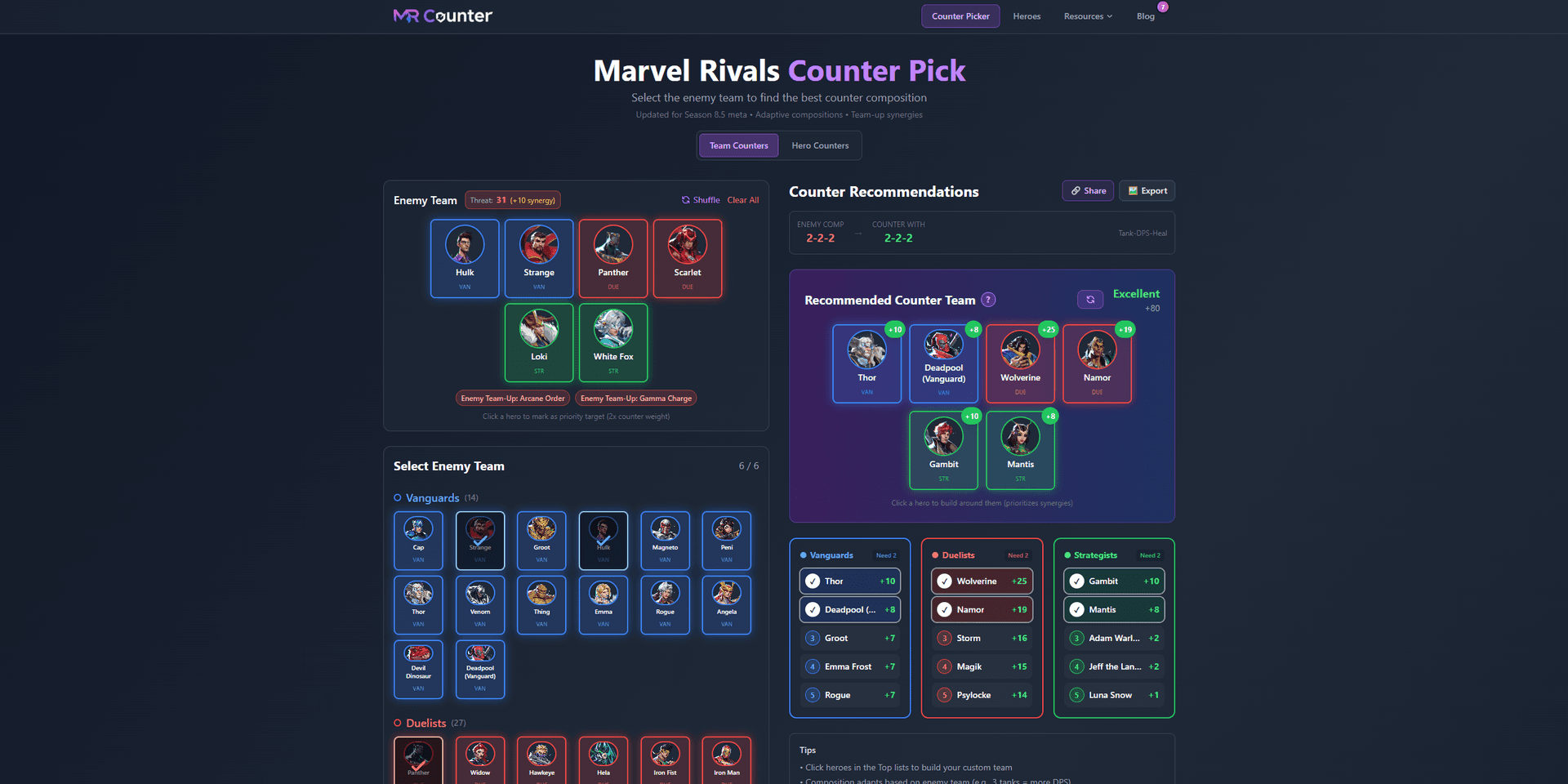
Counter-composition engine for Marvel Rivals team drafting
21 further projects are on that page.
Capabilities
No hand-offs between a front-end person and a back-end person, and no gap where the two were supposed to meet.
Whole applications, not slices of them. Schema design, API surface, and interface built together so the seams stay in the right places.
Design systems and interfaces that survive contact with real content — accessible, responsive, and consistent across every state.
Wallet auth, token and NFT mechanics, and on-chain settlement wired into products people can actually use without reading a whitepaper.
Catalog, cart, checkout, and fulfilment — plus the part that matters: every signed payload verified instruction by instruction against server-side rules before funds move.
Fast first paint, honest bundle budgets, and image and data strategies chosen for the page rather than copied from a template.
Typed end to end, idempotent where it counts, and instrumented enough that a failure tells you what broke instead of that something did.
About
Almost everything here I build myself — data model, API, and the interface people actually touch. On larger builds I lead three contract engineers I have worked with for years, but the person you brief stays the person accountable for what ships. Over the last decade that has meant commerce platforms, real-time multiplayer systems, and blockchain-integrated products delivered across 33+ clients.
Most of that work moves money, which changes how it has to be built. Backend services construct every financial transaction and then verify the user-signed payload instruction by instruction against database-defined rules — signers, fees, recipients — so tampering, replay attacks, and race conditions are caught before funds move rather than reconciled afterwards.
I built the original site for Floki Inu, a top-100 cryptocurrency that peaked near a $2.7B market cap, on an emergency timeline. I was founding engineer at KnifeForkSpoon, an NFT gaming startup that raised around $300K. Today most of my work runs through GOTM Labz, where I own the full stack across staking platforms, launchpads, swap tools, and a trait marketplace.
How it runs
Work out what the product has to do before writing anything that assumes an answer.
Design the data first. Most interface problems are a schema problem wearing a costume.
Ship in working slices, so there is something real to react to well before launch.
Documented, typed, and deployable by someone who was not in the room.